The story of the Kimball area is the story of Minnesota itself — waves of settlement, conflict and reconciliation, immigrant communities building new homes in a wild landscape, and the slow, steady transformation of prairie and forest into the farming communities we know today.
Early Settlement: The 1850s
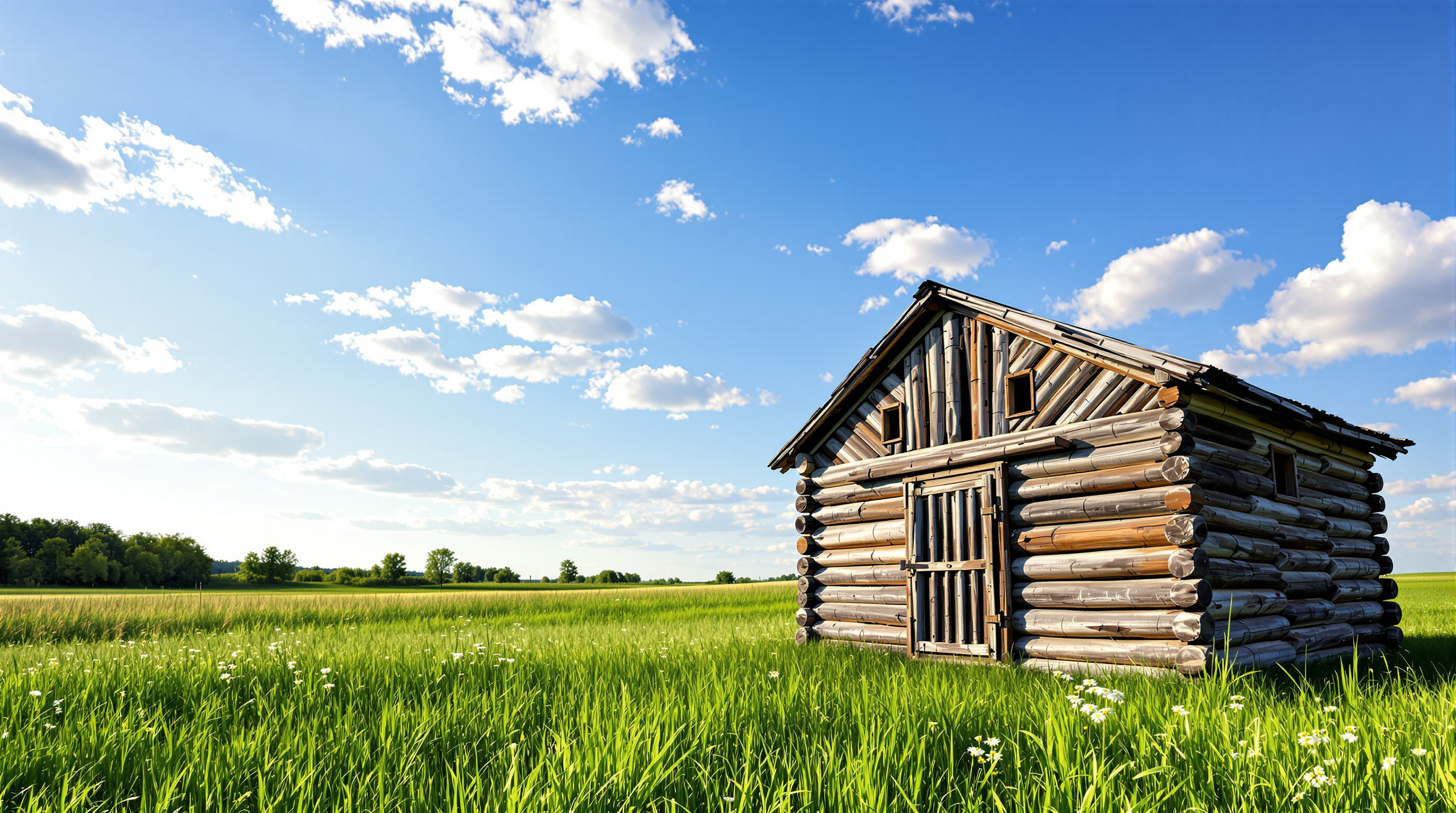
Settlers began arriving in earnest in the early 1850s, drawn by the Crow River and the promise of fertile land. In the summer of 1855, John Huy and Ben Brown paddled up the Crow River in search of pine timber, opening the door to what would become Forest City — one of the region's earliest settlements. By 1856, settlers had taken up land claims, cleared tracts for cultivation, and built log cabins that would shelter families through their first harsh Minnesota winters.
The settlers' resourcefulness was evident from the start. Because the nearest sawmill and flour mill were more than 65 miles away in St. Paul, they built their own — essential infrastructure that allowed the settlement to become self-sustaining. In February 1856, Meeker County was organized and named in honor of H.H. Meeker, with Forest City as the county seat. The town was surveyed and platted in March 1856.
The Forest City Stockade & the Dakota War of 1862
The early years of settlement were marked by generally peaceful relations between the settlers and the Dakota people who had long called this land home. But by 1862, tensions had reached a breaking point. The Dakota had been unfairly treated by the federal government, which repeatedly failed to deliver promised payments and food supplies. Their leader, Little Crow, held a secret meeting and spoke for hundreds of people saying: "We have waited a long time. The money is ours, but we cannot get it. We have no food, but here are these stores, filled with food."
The Dakota War of 1862 transformed the region. Settlers constructed the Forest City Stockade as a defensive structure, and the conflict that summer left deep marks on the communities of central Minnesota. The Stockade has since become both a historical landmark and a site of reflection — a reminder of the complex and often tragic history shared between European settlers and Native Americans.
Today, the Forest City Stockade area hosts annual threshers events and historical reenactments that help visitors connect with this chapter of Minnesota history. The site draws visitors from across the region who want to understand how their communities came to be.
Lake Maria State Park: A Natural Heritage
Lake Maria State Park, established in 1963, celebrates another dimension of the region's heritage — its natural landscape. The park protects 1,580 acres of rolling hills, hardwood forests, and lakes that typify the glacially shaped landscape of central Minnesota. For decades, the park has provided recreation, environmental education, and connection to the natural world that sustains this agricultural community.
The park's anniversary celebrations have included presentations from the University of Minnesota's Raptor Center and wildlife programs that connected hundreds of visitors with the birds of prey, wetland ecology, and forest life of the region.
Electricity, Co-ops, and the Mid-Century Farm
The change that most altered daily life in these townships arrived in the 1930s and 1940s, when rural electric cooperatives finally strung line down section roads that investor-owned utilities had judged too sparsely populated to serve. Member-owned co-ops, organized and financed by farmers themselves, brought milking machines, refrigeration, and electric well pumps to operations that had run on hand labor and kerosene — a transformation that reshaped the dairy economy dominating Meeker and Stearns counties for the rest of the century. The same cooperative instinct that built those lines is still visible in the area's credit unions, creameries, mutual insurance associations, and volunteer fire departments.
The Heritage of Immigration
The communities of Meeker, Stearns, and Wright counties were shaped significantly by waves of German and Czech immigrants who arrived in the latter half of the 19th century. Stearns County in particular became known as one of the most predominantly German-Catholic counties in the United States, and that heritage is still visible in the churches, family names, and community traditions of Kimball and surrounding towns.
Communities like Luxemburg, Kingston, and Pearl Lake reflect this heritage in their names and histories. Church parishes founded in the 1860s and 1870s continue to serve their communities today, maintaining traditions and social bonds that stretch back to the immigrant generation.
For deeper exploration of Minnesota history, the Minnesota Historical Society maintains extensive archives, exhibits, and educational resources covering every aspect of the state's past.